eGuard sends alerts to your preferred device. If the lab air is polluted, it allows you to take action before pollution levels become a hazard
Contact Us Now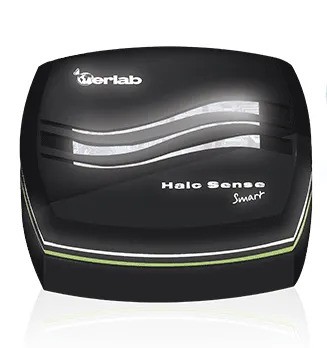
| Sensor Housing | Lightweight, durable plastic | ||
|---|---|---|---|
| Detection | Semiconductor sensor | Electro-chemical sensor | Electro-chemical sensor |
| Weight | 1kg | ||
| Installation | Table top or wall mounted | ||
| eGuard | App for remote control and monitoring | ||
| Energy consumption | 10 W | ||
| User Interface | Simple communication by LED pulsation system | ||
| Voltage / frequency | 100-240V; 50-60Hz | ||
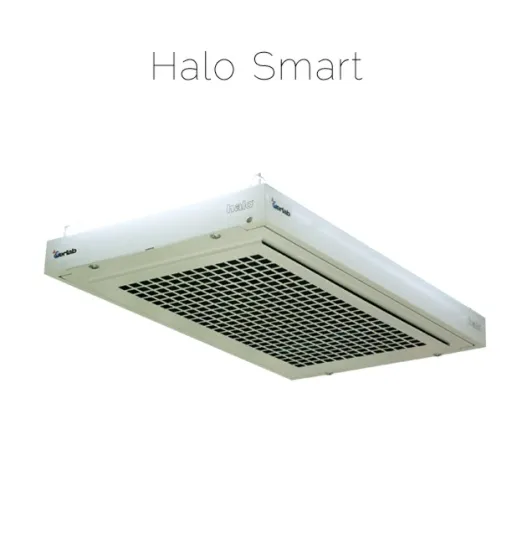
Halo Sense has been designed to continuously monitor the lab air quality for a large spectrum of chemical vapors.
Halo Sense comes in 3 versions: Volatile Organic Compounds (VOCs), Acid and Formaldehyde.
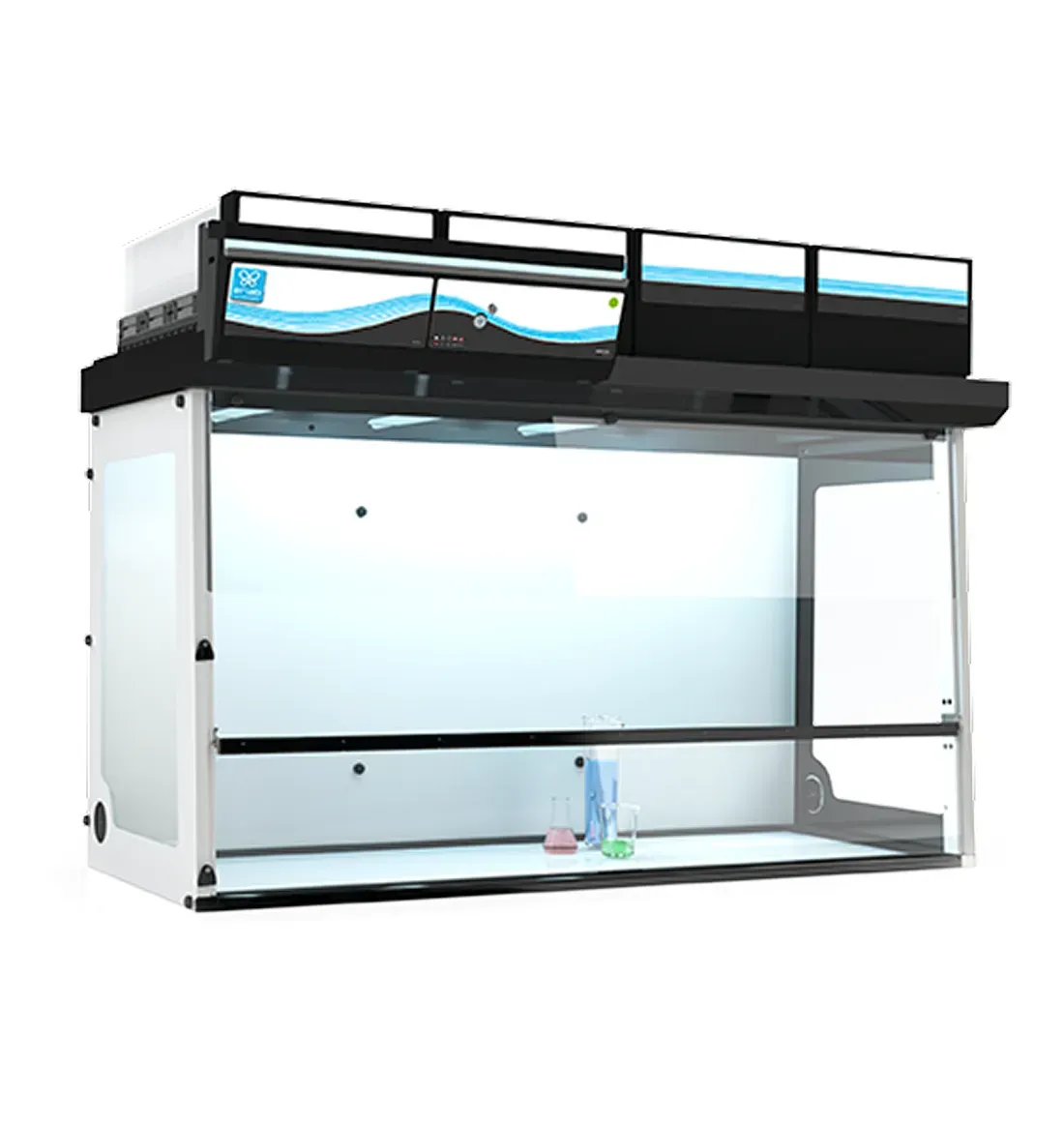
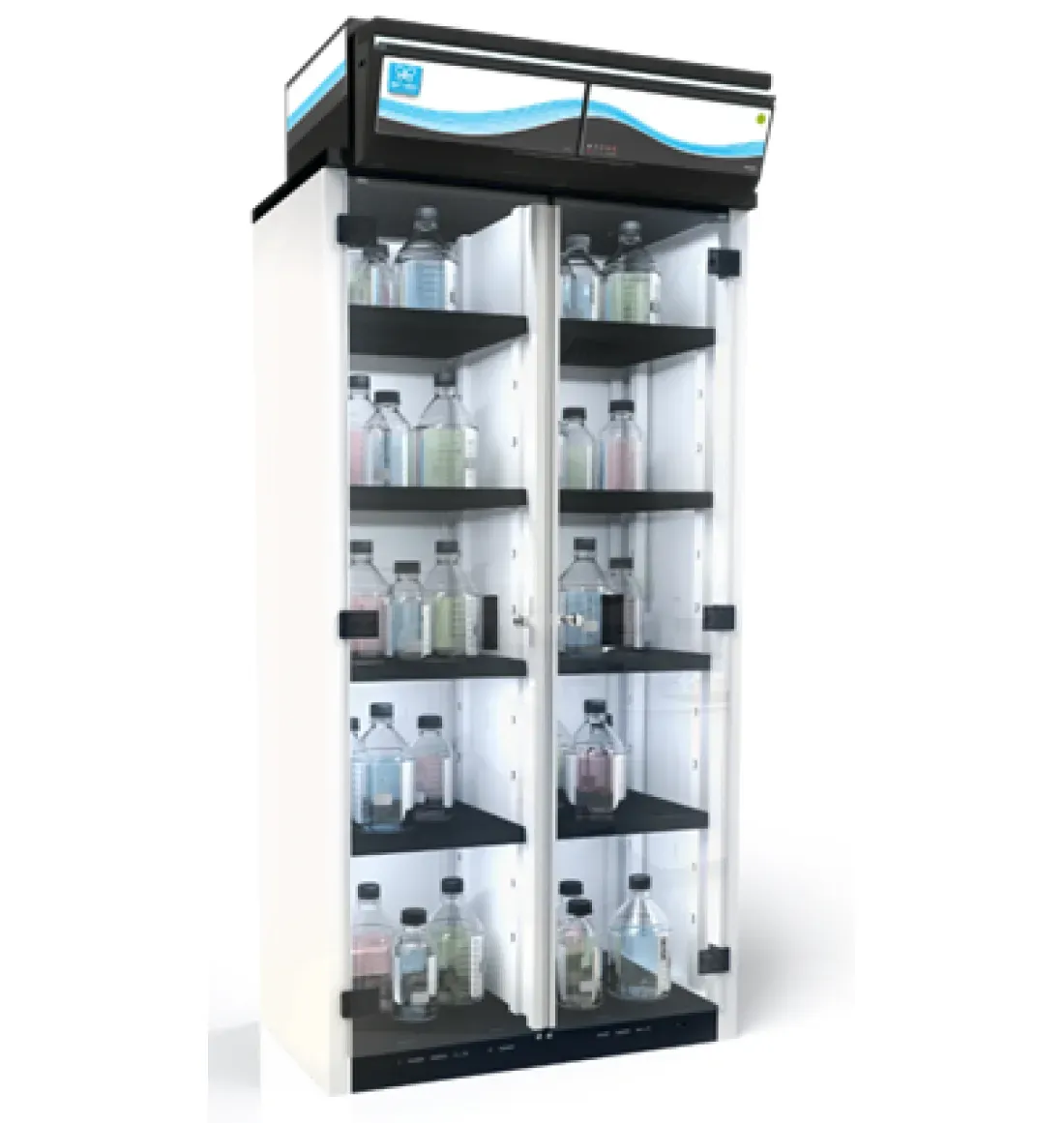
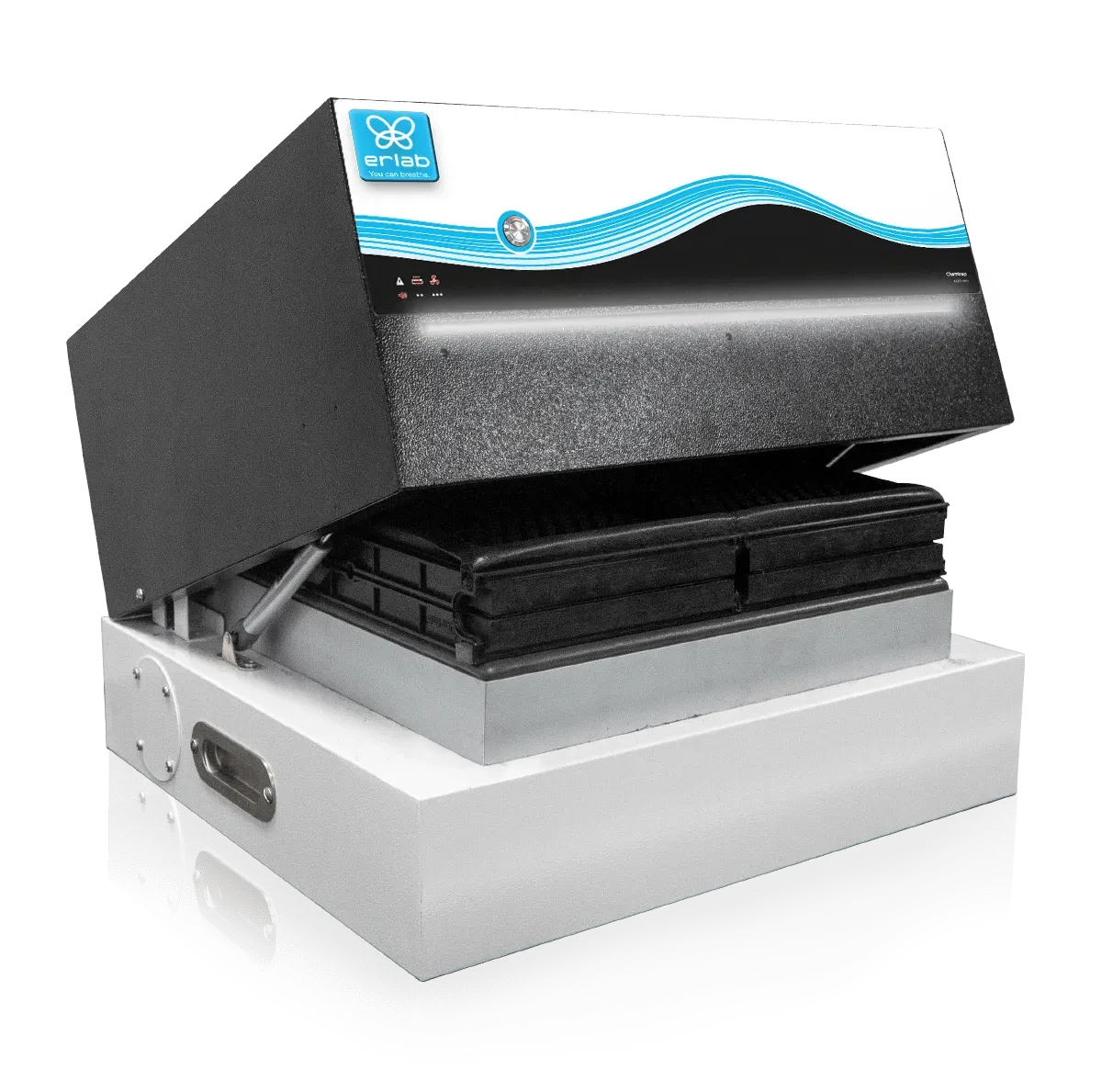
When the Halo Sense detects chemical vapours, a soft band of LED light blinks and beeps are emitted to let you know that the air is polluted with solvents or acids or formaldehyde. Halo Sense boxes shall be connected to a computer using the eGuard App to be turned on/off and monitored (adjustable detection sensitivity, adjustable sound level, turning off or on of the blinking light, events history, …). It is also possible to connect them to a smartphone using the eGuard App and to receive the detection alarms, wherever you are. In case of pollution alarm, one should look then for the source of chemical pollution and ensure its elimination with appropriate containment vented enclosures, such as fume hoods or storage cabinets. Halo Sense shall be usually fixed to the wall or placed on a table, connected to power and through the local intranet network to a computer. It will help you to guarantee to your lab personnel that they are always working in a safe environment.
Contact Us Now